What to Expect During Your First TMS Session: Managing Discomfort
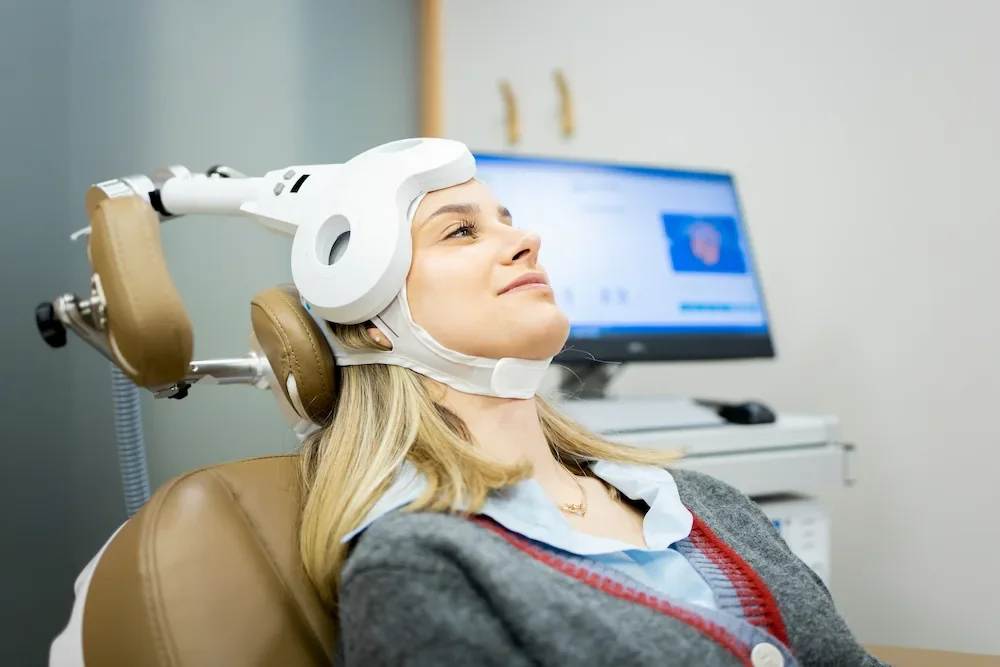
For many patients exploring treatment for depression or other neurological conditions, Transcranial Magnetic Stimulation (TMS) offers a promising, non-invasive option. However, it is normal to have questions before your first appointment—especially about TMS discomfort, TMS pain, and potential side effects.
At Mind + Body Medicine in Dallas, Dr. Howard Cohen and his team guide patients through every step of the process so that treatment feels comfortable, predictable, and manageable. Understanding what happens during your first TMS session—and how mild discomfort is typically addressed—can help you feel more prepared and confident before beginning therapy.
Understanding TMS Discomfort: What Patients Typically Feel
Transcranial Magnetic Stimulation works by delivering targeted magnetic pulses to specific areas of the brain involved in mood regulation and neural signaling. During treatment, a small magnetic coil is positioned against the scalp.
Most patients describe the sensation as:
A light tapping or pulsing feeling on the scalp
Mild pressure in the treatment area
Occasional scalp sensitivity during early sessions
Because these magnetic pulses stimulate nerve cells in the brain, the scalp muscles may briefly contract during treatment, which creates the tapping sensation.
For many individuals, TMS discomfort is mild and temporary. It often becomes less noticeable as the brain and scalp adjust to the stimulation over the first several sessions.
What Happens During Your First TMS Session
Your first TMS appointment is typically focused on preparation and calibration to ensure the treatment is personalized for your brain.
During the visit, you can expect:
Initial Measurements and Mapping
Dr. Cohen will take careful measurements of your head and identify the precise location where the magnetic coil should be placed. This process helps target the brain region most involved in mood regulation.
Motor Threshold Testing
A brief calibration step determines the appropriate magnetic intensity for your treatment. This ensures stimulation is effective while remaining comfortable.
Beginning the Treatment Session
Once everything is positioned correctly, the TMS device begins delivering pulses through the coil. Depending on the treatment protocol, sessions with the CloudTMS system may take as little as a few minutes.
You will remain seated comfortably in a reclining chair throughout the session and remain awake and alert.
Why Discomfort Is Often Strongest at the Beginning
If any scalp sensitivity occurs, it most often appears during the first few sessions. This happens because the nerves and muscles in the scalp are not yet accustomed to the stimulation.
As treatment continues:
The brain adapts to the magnetic pulses
Scalp nerves become less reactive
Patients often report that the tapping sensation becomes easier to tolerate
Many patients find that TMS discomfort decreases noticeably within the first week of treatment.
Strategies for Managing TMS Discomfort
If you are concerned about TMS pain or scalp sensitivity, there are several ways your provider can help make treatment more comfortable.
Adjusting Stimulation Settings
Small adjustments to the position of the coil or the intensity of stimulation can often reduce scalp sensitivity while maintaining therapeutic benefit.
Gradual Intensity Increases
In some cases, treatment may begin at a slightly lower intensity and gradually increase as you become more comfortable.
Over-the-Counter Pain Relief
Some patients choose to take a mild pain reliever before their session to minimize scalp tenderness.
Communication During Treatment
Patients are encouraged to communicate with the treatment team during sessions. Small adjustments in positioning or stimulation can often make a noticeable difference in comfort.
TMS Side Effects: What to Know
TMS is considered a non-invasive treatment with a well-established safety profile. Most patients tolerate the procedure well.
Possible TMS side effects may include:
Mild scalp discomfort or tenderness
Temporary headache after treatment
Light facial muscle twitching during stimulation
These effects are generally short-lived and often decrease as treatment continues.
Unlike medication-based treatments, TMS does not circulate through the body, so it typically avoids many systemic side effects associated with antidepressants.
The TMS Treatment Timeline
A typical TMS treatment course includes daily sessions over four to six weeks. While every patient’s response is different, many individuals begin noticing improvements in mood, energy, or motivation during the early weeks of therapy.
Each session is relatively brief, and most patients are able to:
Drive themselves to and from treatment
Return to work or normal activities immediately afterward
Continue their daily routines without interruption
Starting TMS at Mind + Body Medicine in Dallas
Beginning any new treatment can feel uncertain, but understanding the process can make the experience far more comfortable.
At Mind + Body Medicine, Dr. Cohen uses the CloudTMS system, a modern brain stimulation platform designed to deliver precise, efficient treatments in a supportive clinical environment.
If you are considering TMS therapy and want to learn more about what to expect during treatment—including how discomfort is managed—our team is here to help guide you through the process.
Schedule a consultation with Mind + Body Medicine in Dallas to find out whether TMS may be an appropriate option for you.