TMS vs. Peripheral Nerve Stimulation: Which Pain Treatment Is Best?
Understanding Two Advanced Options for Chronic Pain Relief
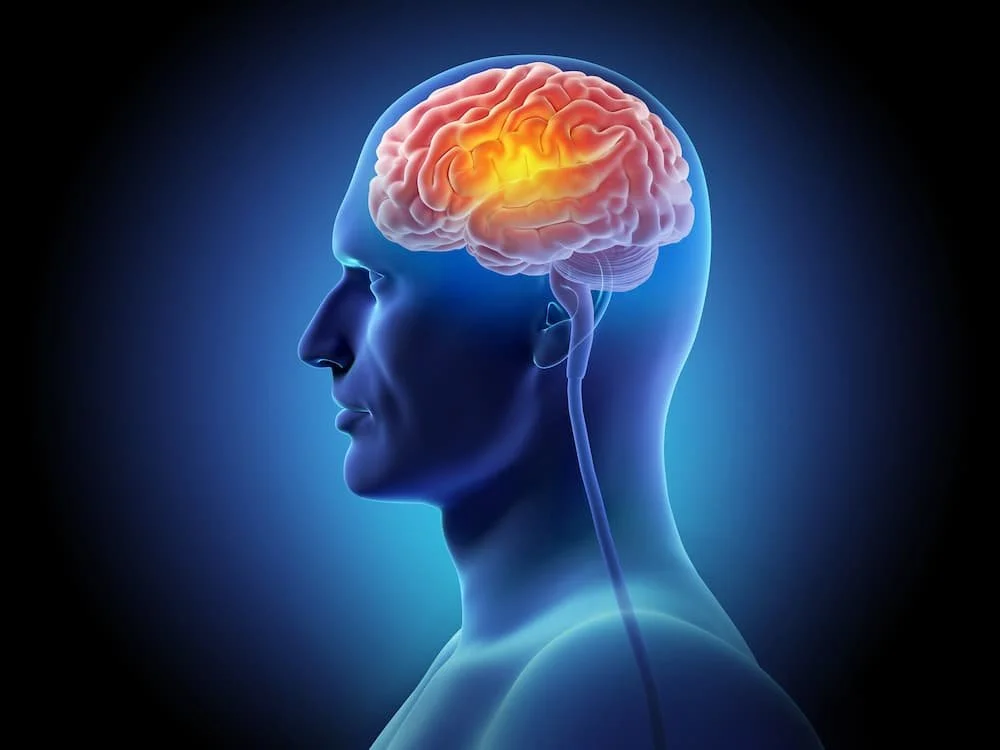
Chronic pain can be complex, frustrating, and difficult to treat—especially when conventional approaches no longer provide meaningful relief. As medical technology evolves, innovative, non-opioid solutions like transcranial magnetic stimulation (TMS) and peripheral nerve stimulation (PNS) are offering new pathways for patients seeking alternatives.
But what is the difference between these two treatments—and which one may be appropriate for your condition?
This guide breaks down TMS vs. peripheral nerve stimulation, how each works, and how to determine the best option for your needs.
What Is TMS (Transcranial Magnetic Stimulation)?
Transcranial Magnetic Stimulation (TMS) is a non-invasive treatment that uses targeted magnetic pulses to stimulate specific areas of the brain involved in pain processing and mood regulation.
Originally developed for depression, TMS is now increasingly used to treat certain chronic pain conditions, particularly those with a neurological or centralized component.
How TMS Works for Pain
TMS targets regions of the brain responsible for how pain is perceived and processed. By modulating neural activity, it may help:
Reduce pain sensitivity
Interrupt chronic pain signaling pathways
Improve coexisting symptoms like anxiety or depression
Conditions TMS May Help Treat
Chronic pain with depression or anxiety
Key Advantages of TMS
Non-invasive (no surgery or implants)
No anesthesia required
Minimal downtime
May address both pain and mental health symptoms simultaneously
What Is Peripheral Nerve Stimulation (PNS)?
Peripheral Nerve Stimulation (PNS) is a minimally invasive treatment that involves placing a small electrode near a specific peripheral nerve responsible for pain.
The device delivers mild electrical impulses that disrupt pain signals before they reach the brain.
How PNS Works for Pain
PNS targets the exact nerve causing discomfort. Electrical stimulation alters pain signal transmission, which may:
Reduce or block pain signals
Provide targeted, localized relief
Improve function in the affected area
Conditions PNS May Help Treat
Localized nerve pain
Post-surgical pain
Peripheral neuropathy
Occipital neuralgia
Joint or musculoskeletal pain
Key Advantages of PNS
Highly targeted pain relief
Minimally invasive procedure
Adjustable and customizable stimulation
Can be temporary or longer-term depending on the system
TMS vs. Peripheral Nerve Stimulation: Key Differences
| Feature | TMS | Peripheral Nerve Stimulation |
|---|---|---|
| Approach | Non-invasive | Minimally invasive |
| Target | Brain (central nervous system) | Peripheral nerves |
| Best For | Widespread or centralized pain | Localized nerve pain |
| Procedure | Outpatient sessions | Minor procedure for electrode placement |
| Recovery | No downtime | Short recovery period |
| Additional Benefits | May improve mood and anxiety | Focused pain relief at source |
Which Pain Treatment Is Right for You?
The answer depends on the type, location, and underlying cause of your pain.
TMS May Be Considered If:
Your pain is widespread or not tied to a single nerve
You have coexisting depression or anxiety
You prefer a completely non-invasive option
Previous treatments have not addressed central pain processing
Peripheral Nerve Stimulation May Be Considered If:
Your pain is localized to a specific area
A specific nerve source has been identified
You are seeking targeted, site-specific relief
You are open to a minimally invasive procedure
In some cases, these treatments are not mutually exclusive. A comprehensive evaluation can help determine whether one—or a combination—may be appropriate.
Why Accurate Diagnosis Matters
Chronic pain is not one-size-fits-all. Treatments that work for one patient may not be effective for another, especially when the source of pain differs between central (brain-based) and peripheral (nerve-based) origins.
At Mind + Body Medicine, treatment planning is based on a detailed understanding of your symptoms, medical history, and prior treatments. This allows for a more precise, individualized approach to care.
Take the Next Step Toward Pain Relief
If you are exploring advanced, non-opioid solutions for chronic pain, understanding your options is the first step.
A personalized consultation can help determine whether TMS, peripheral nerve stimulation, or another approach aligns with your condition and goals.
Contact Mind + Body Medicine in Dallas today to schedule a consultation and learn more about your treatment options.